
Ultracold strontium for quantum science & technology
We make atoms colder than anything in nature, then put them to work: from continuous Bose–Einstein condensates to optical clocks that never stop ticking.
About the lab
We cool strontium (and rubidium) atoms to a few billionths of a degree above absolute zero. At these temperatures, quantum mechanics shapes everything the atoms do. Strontium's narrow optical transitions, long-lived excited states and large nuclear spin let us create new states of matter, build better clocks and lasers, and assemble quantum devices atom by atom.
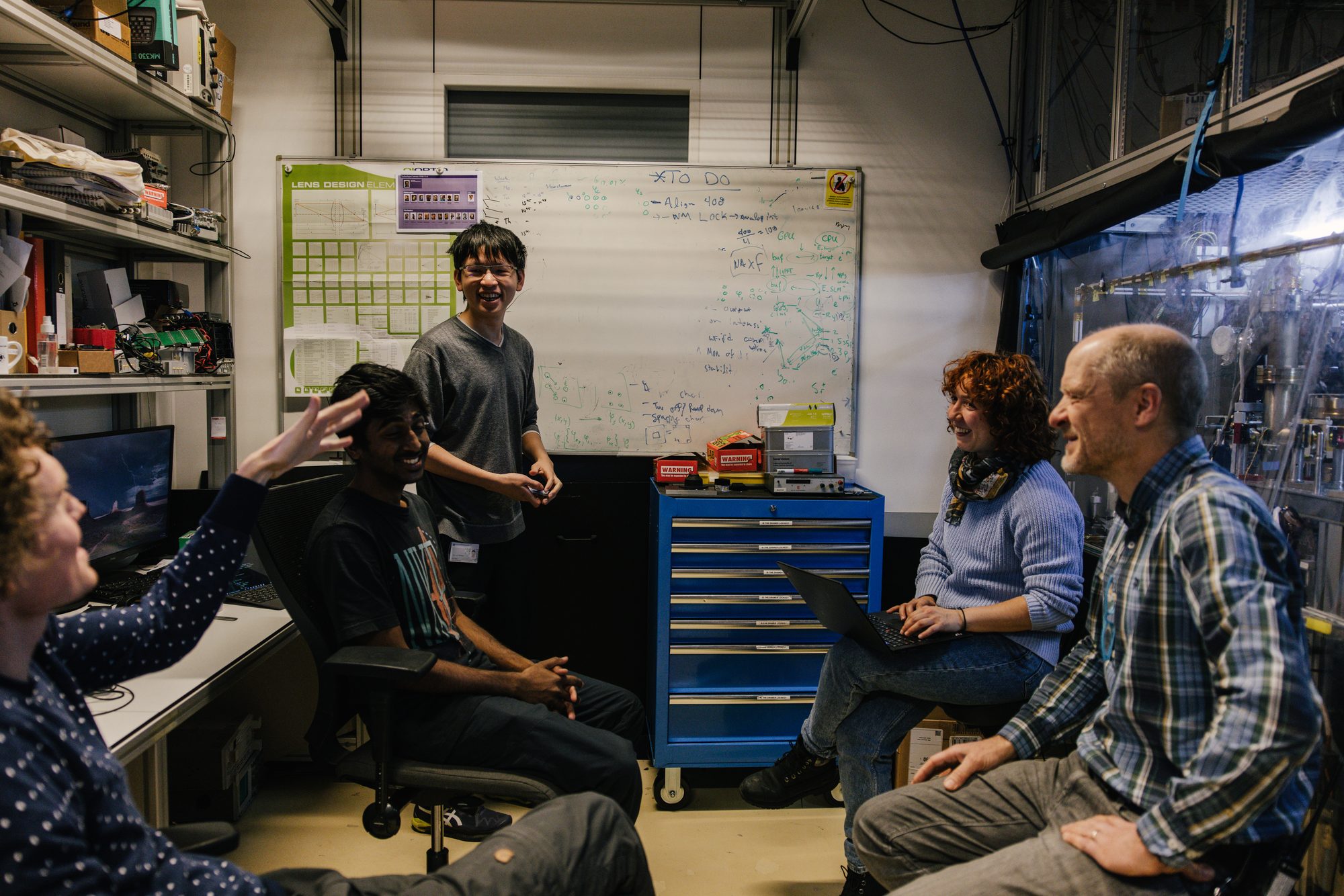
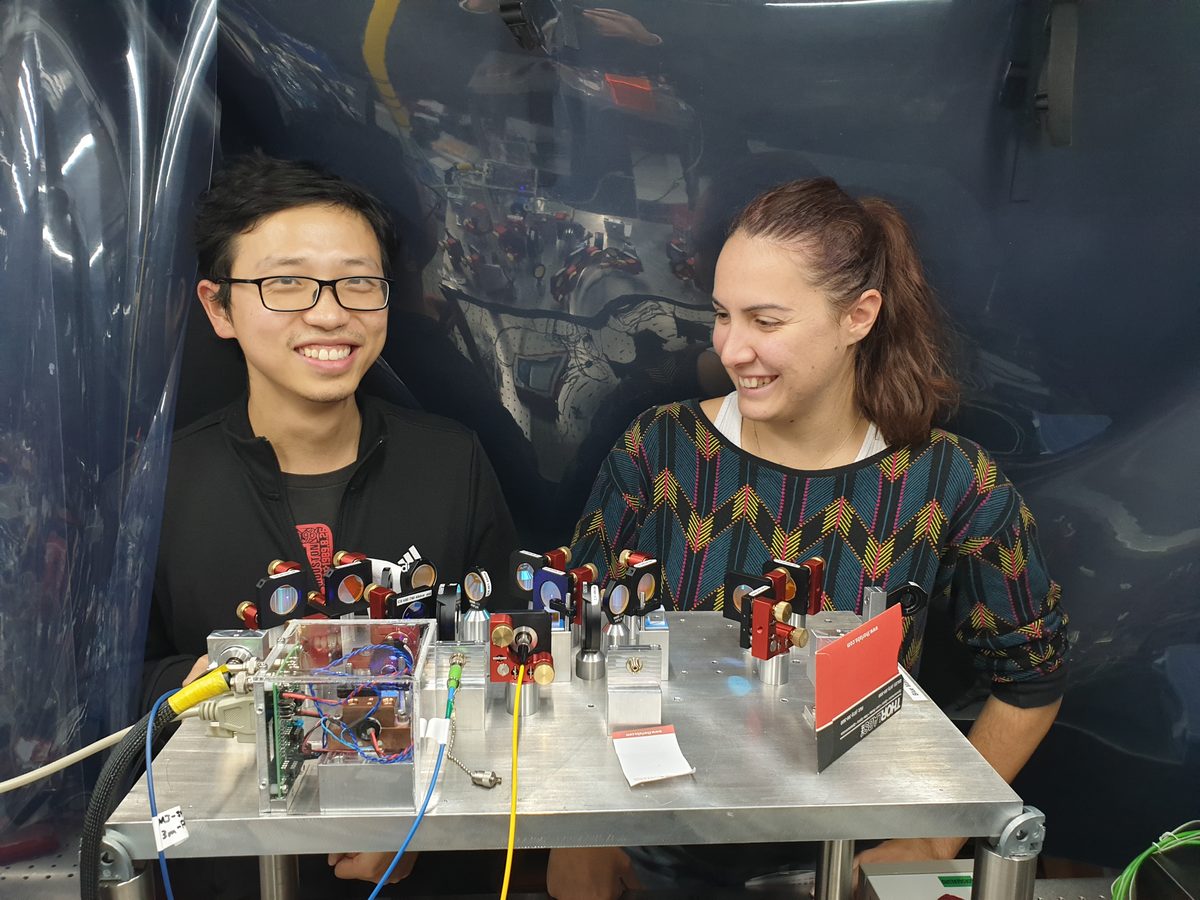
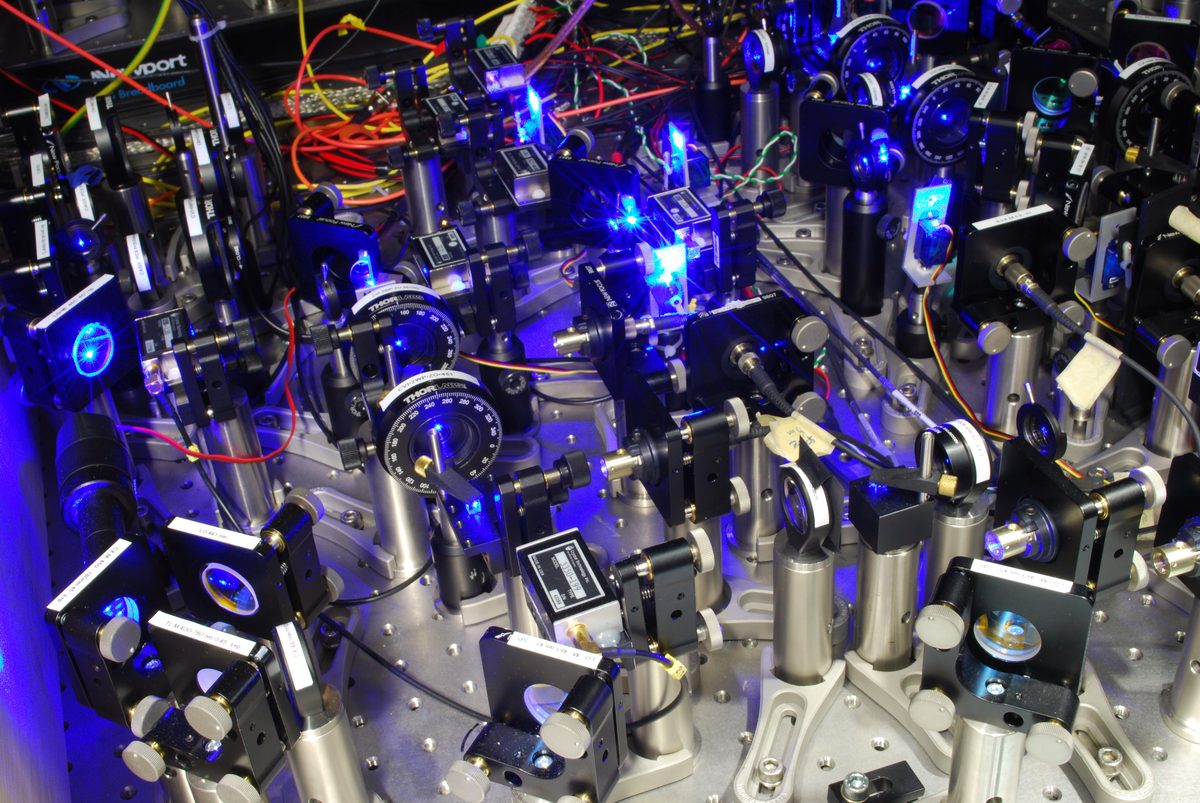
Each experiment is a home-built machine filling half a lab to a whole lab, run by a team of PhD students and postdocs. The lab is part of the Quantum Gases & Quantum Information cluster of the Van der Waals–Zeeman Institute at the University of Amsterdam.
9experiments & projects
4principal investigators
1stcontinuous BEC (Nature 2022)
Research
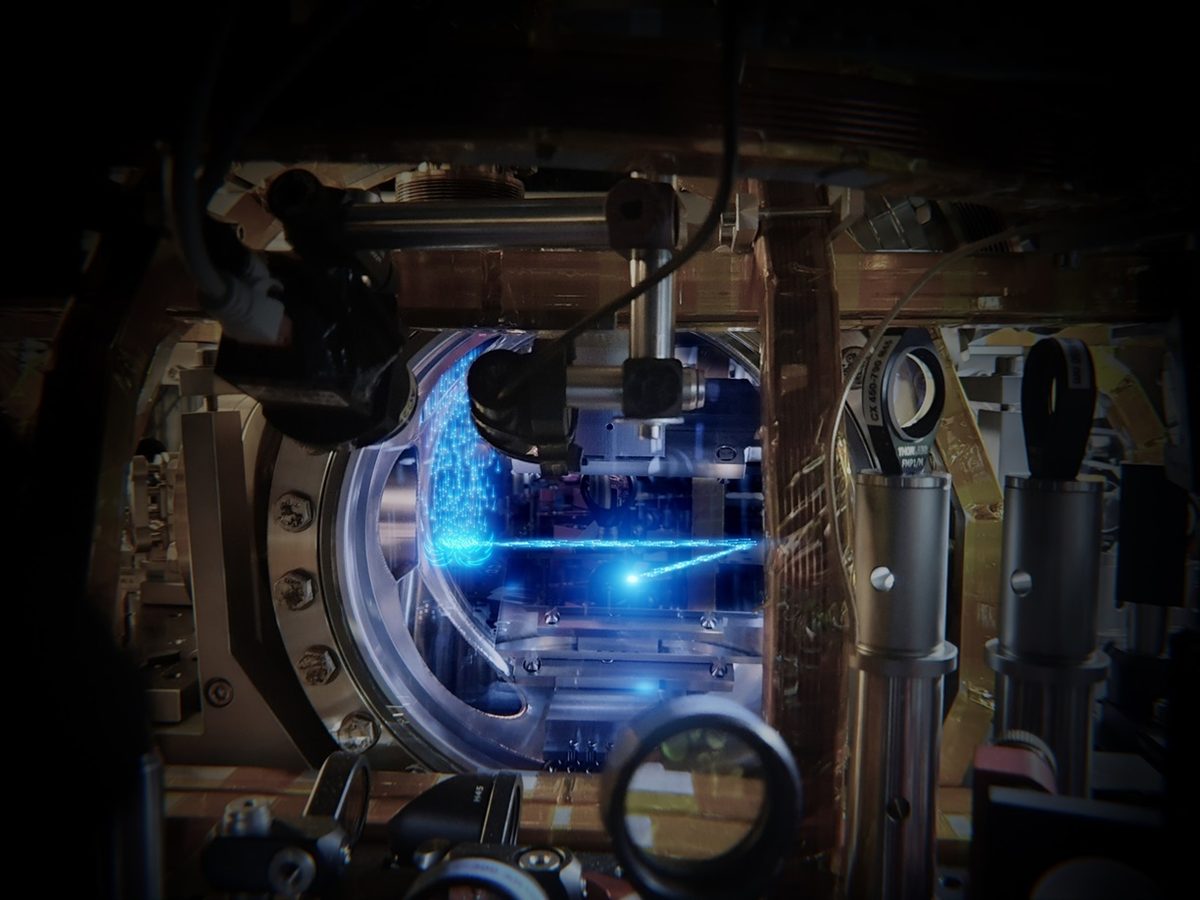
Quantum gases & simulation
Continuous Bose–Einstein condensates and atom lasers, Rb–Sr mixtures, and single atoms in tweezer arrays as quantum simulators.
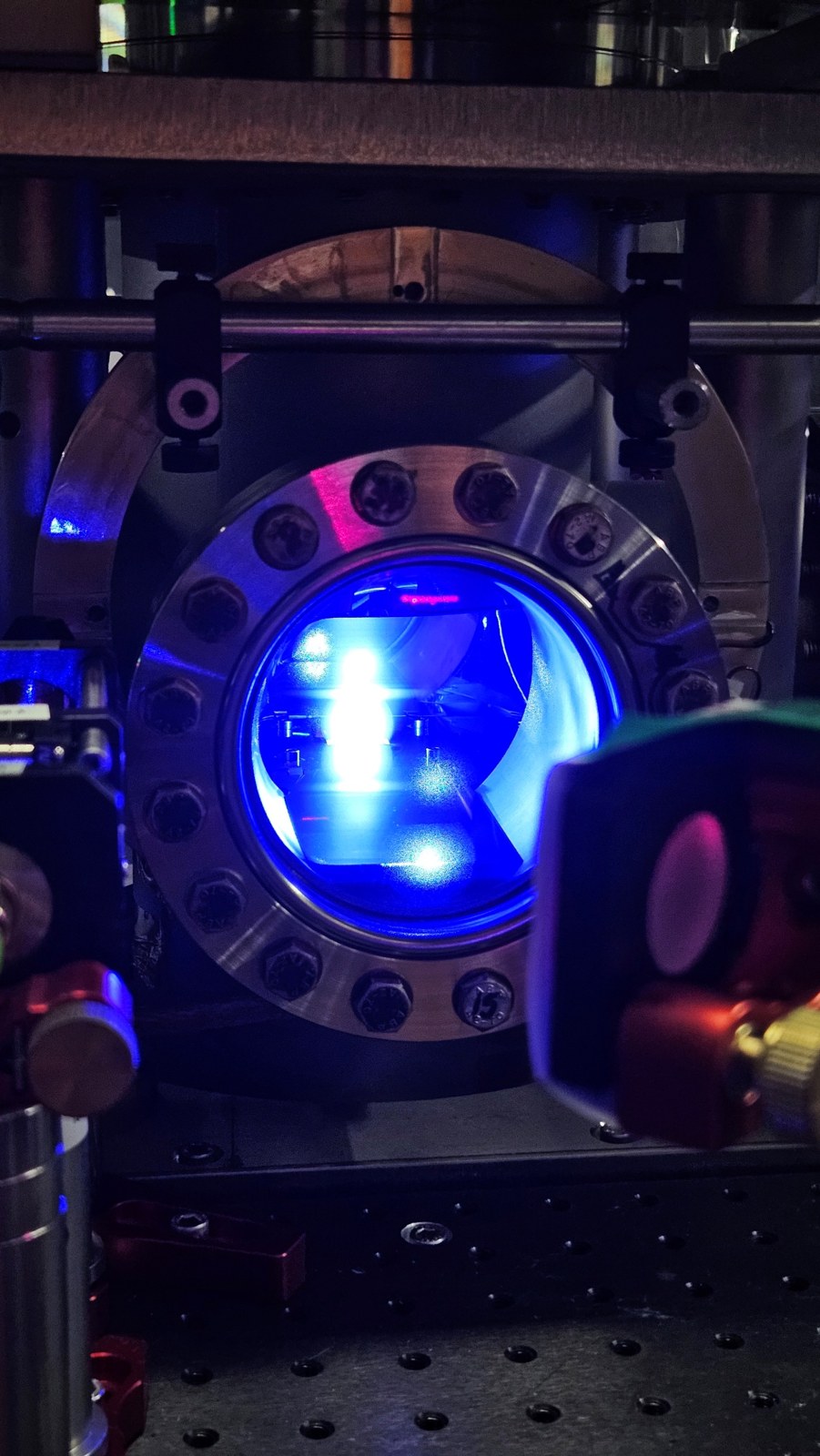
Continuous quantum sensing
Sensors that never stop measuring: superradiant lasers, an active optical clock, a clock without dead time, and continuous atom interferometry.
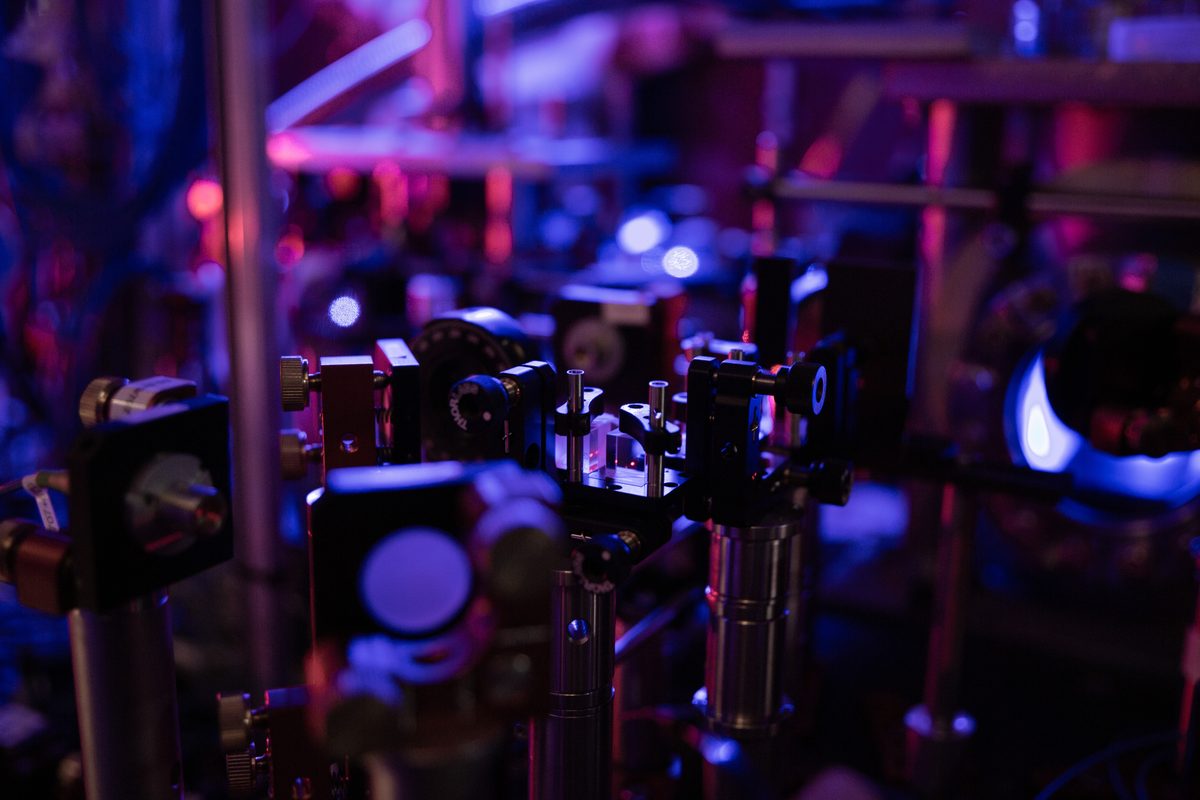
Time & frequency
The Dutch node of the European optical time and frequency distribution network.
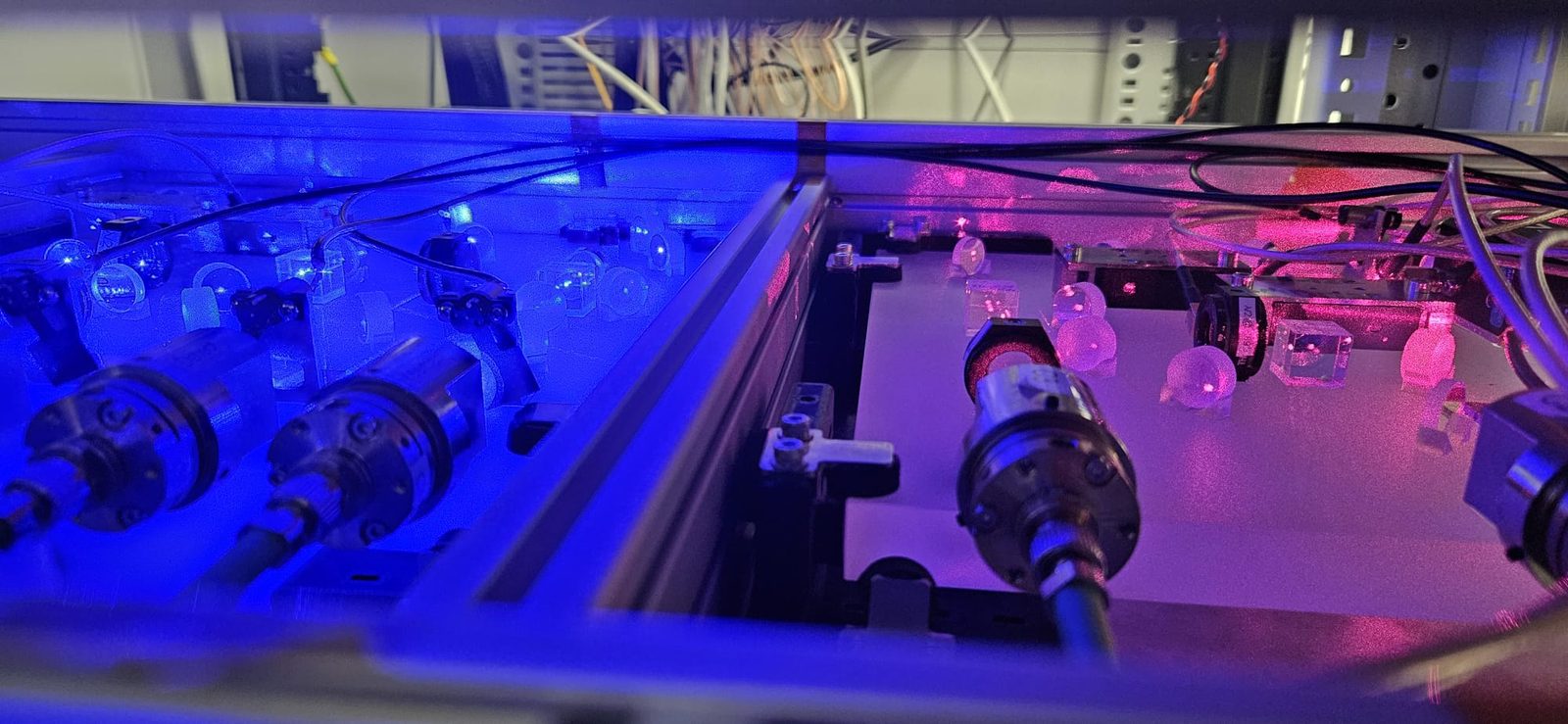
Clock technology
A transportable optical clock built with industry, and our optical circuit board spin-off.
Latest news

Vacancies
- Postdoc on stable optical circuits for quantum technology
- Research engineer laser and optical systems
- Postdoc on continuously operating optical clocks
- Postdoc on quantum simulation and computing with single Sr atoms in optical tweezers
- PhD position on a continuous optical clock
- Master projects & internships
Principal investigators
 Philippe BouyerAtom interferometry
 Klaasjan van DrutenQuantum gases & mixtures
 Florian SchreckStrontium quantum gases, clocks & lasers
 Robert SpreeuwOptical tweezers for atoms & ions